
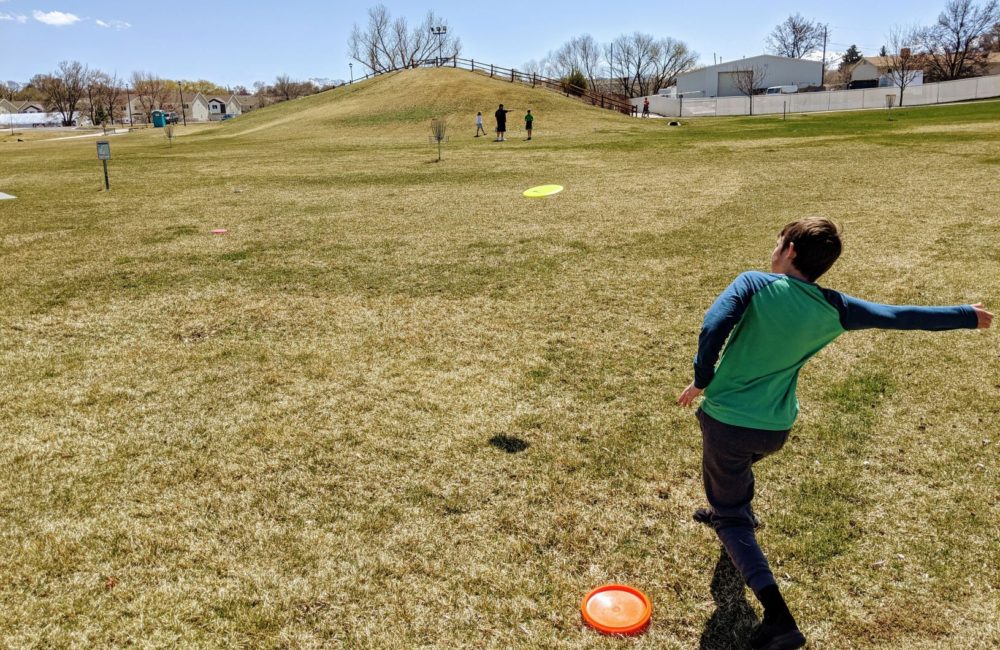

Disc golf is a sport that has been gaining traction over the past few decades, captivating players of all ages with its unique blend of skill, strategy, and outdoor enjoyment. The game is played similarly to traditional golf, but instead of using clubs and balls, players throw specialized flying discs, or frisbees, towards a target, typically a metal basket with hanging chains. The objective is to complete each hole in the fewest number of throws possible.
Disc golf courses can be found in parks, wooded areas, and even urban settings, making it an accessible and appealing option for recreational play. The origins of disc golf can be traced back to the 1960s when enthusiasts began experimenting with throwing frisbees at various targets. The sport has since evolved into a structured activity with established rules, professional tournaments, and a dedicated community.
Today, disc golf is governed by organizations such as the Professional Disc Golf Association (PDGA), which oversees competitions and promotes the sport globally. With its low cost of entry and minimal equipment requirements, disc golf is an ideal choice for families and young players looking to engage in a fun and active pastime.
Physical and Cognitive Development
Engaging in disc golf offers numerous benefits for physical development, particularly for young players. The sport requires a combination of strength, coordination, and agility. As players learn to throw discs with precision, they develop their upper body strength and improve their hand-eye coordination.
The act of walking or jogging between holes also contributes to cardiovascular fitness, promoting overall health and well-being. Additionally, navigating a course often involves traversing varied terrain, which can enhance balance and stability. Cognitive development is equally important in disc golf.
Players must strategize their throws, considering factors such as wind conditions, terrain elevation, and obstacles like trees or water hazards. This strategic thinking fosters problem-solving skills and encourages players to make quick decisions under pressure. Furthermore, the game promotes patience and focus as players learn to concentrate on their throws while managing the distractions of their surroundings.
These cognitive skills are transferable to other areas of life, including academics and social interactions.
Safety Considerations
While disc golf is generally considered a safe sport, there are important safety considerations that players should keep in mind, especially when introducing young players to the game. One of the primary concerns is ensuring that players are aware of their surroundings. Disc golf courses can be busy places, often shared with other park-goers or athletes.
Players should always be mindful of others on the course and ensure that the area is clear before making a throw. This awareness helps prevent accidents and injuries caused by errant throws. Another safety consideration involves proper warm-up and stretching routines before playing.
Like any physical activity, disc golf can lead to strains or injuries if players are not adequately prepared. Young players should be encouraged to engage in warm-up exercises that focus on their arms, shoulders, and legs to prevent injuries during play. Additionally, wearing appropriate footwear is essential for maintaining grip and stability on various terrains.
Parents and coaches should emphasize the importance of safety gear, such as knee pads or elbow pads, especially for younger or less experienced players who may be more prone to falls.
Equipment and Gear
The equipment needed for disc golf is relatively minimal compared to many other sports, making it an accessible option for newcomers. At its core, all that is required is a set of discs designed specifically for the game. There are three primary types of discs: drivers, mid-range discs, and putters.
Drivers are designed for long-distance throws and are typically used for tee shots; mid-range discs offer versatility for various distances; while putters are used for short-range throws into the basket. When selecting discs for young players, it’s important to consider weight and grip. Lighter discs are generally easier for younger players to throw effectively, allowing them to develop their skills without becoming frustrated by heavy equipment.
Many manufacturers produce beginner-friendly discs that are specifically designed for youth players. In addition to discs, players may also benefit from accessories such as disc bags for easy transport, towels for cleaning discs after throws, and markers to indicate where a player’s disc has landed.
Getting Started in Disc Golf
Getting started in disc golf is an exciting journey that can be enjoyed by individuals or groups alike. For young players, the first step is often finding a local course where they can practice their skills. Many parks have established disc golf courses that are free or low-cost to use.
Online resources such as course directories can help locate nearby facilities. Once at the course, players should familiarize themselves with the layout and rules of play. Joining a local disc golf club or community can also enhance the experience for young players.
These organizations often host events, tournaments, and casual meet-ups that provide opportunities for social interaction and skill development. Participating in organized play can help young players learn from more experienced individuals while fostering a sense of camaraderie within the sport. Additionally, many clubs offer clinics or workshops specifically designed for beginners, providing valuable instruction on throwing techniques and course strategy.
Benefits of Disc Golf for Young Players
The benefits of disc golf extend far beyond physical fitness; they encompass social interaction, mental well-being, and personal growth as well. For young players, engaging in this sport provides an opportunity to connect with peers in a positive environment. As they navigate the course together, they build friendships based on shared experiences and mutual interests.
This social aspect can be particularly beneficial for children who may struggle with traditional team sports or who prefer individual activities. Moreover, disc golf encourages a sense of achievement as players set personal goals and work towards improving their skills. Whether it’s mastering a new throwing technique or achieving a personal best score on a particular hole, these milestones contribute to building self-esteem and confidence in young players.
The sport also fosters resilience; as players encounter challenges—such as difficult holes or unfavorable weather conditions—they learn to adapt and persevere through setbacks.
Support and Guidance for Young Players
Support from parents, coaches, and mentors plays a crucial role in nurturing young disc golfers’ development. Parents can encourage their children by participating in games together or attending local tournaments as spectators. This involvement not only strengthens family bonds but also demonstrates the value of commitment and sportsmanship.
Additionally, parents can help facilitate practice sessions by providing access to local courses or organizing friendly competitions with other families. Coaches or experienced players can offer invaluable guidance through structured lessons or informal tips during casual play. They can help young players refine their techniques while instilling important values such as respect for others on the course and adherence to the rules of play.
Mentorship programs within local disc golf clubs can also connect young players with seasoned athletes who can provide insights into improving their game while sharing their passion for the sport.
Conclusion and Next Steps
As interest in disc golf continues to grow among young people, it presents an excellent opportunity for physical activity and personal development in an inclusive environment. By understanding the fundamentals of the game—ranging from safety considerations to equipment selection—young players can embark on a fulfilling journey that promotes both physical fitness and cognitive growth. The sport’s accessibility makes it easy for families to participate together while fostering social connections within the community.
For those looking to take the next steps in their disc golf journey, exploring local courses and joining clubs can provide essential support and resources. Engaging with experienced players will not only enhance skills but also deepen appreciation for the sport’s nuances. As young players continue to develop their abilities on the course, they will undoubtedly reap the rewards of this enriching activity—both on and off the fairway.
If you’re curious about introducing disc golf to young players, you might be wondering at what age they can start playing. While there’s no strict age limit, many enthusiasts suggest that children as young as five can begin learning the basics of the game. To make the experience enjoyable and engaging for kids, it’s important to use age-appropriate equipment and techniques. For more insights on how to make disc golf fun for children, you can check out this related article: Disc Golf for Kids: Making the Game Fun with Dino Discs. This resource offers valuable tips and ideas to help young players develop a love for the sport.




